Introduction to Online Multiplayer Games: Online Multiplayer Games For Integrated Graphics Cards
Online multiplayer games have transformed the way we play and interact with others, bringing players together from all corners of the globe. These games allow multiple players to connect and compete or collaborate in virtual environments, creating vibrant communities and shared experiences. The significance of online multiplayer games lies not only in their entertainment value but also in their ability to foster social connections and cultural exchanges among diverse groups.
The evolution of online gaming has dramatically shaped gaming culture over the years. From the early days of LAN parties and dial-up connections to the sophisticated online ecosystems we see today, gaming has undergone a revolution. The rise of high-speed internet and advanced gaming platforms has made it possible for players to engage in complex gameplay with stunning graphics, bringing a whole new level of immersion. Today, online multiplayer games span various genres, including battle royale, MMORPGs, co-op shooters, and more, catering to an ever-expanding audience.
Understanding Integrated Graphics Cards
Integrated graphics cards are a critical component of many modern computers, providing a cost-effective solution for rendering visuals without the need for a dedicated graphics card. Unlike dedicated graphics cards, which are separate hardware specifically designed for high-performance gaming and graphics processing, integrated graphics are built into the CPU. This integration allows for a more compact design and often leads to lower power consumption.
While integrated graphics cards have their advantages, such as affordability and reduced energy usage, they also come with limitations. Gaming performance on integrated graphics can fall short compared to their dedicated counterparts, particularly for graphically intensive titles. However, advancements in integrated graphics technology have significantly improved their capability, making them suitable for many casual and indie games.
Recommended Online Multiplayer Games for Integrated Graphics Cards
For gamers relying on integrated graphics, there are still plenty of engaging online multiplayer games that provide a smooth experience. Here are some top recommendations that run well on integrated graphics:
- League of Legends: A strategic MOBA where players team up to battle against each other. Its graphics are optimized for various systems, making it accessible to players with integrated cards.
- Among Us: A social deduction game that requires teamwork and deception. The minimalist graphics ensure it runs flawlessly on most systems.
- Counter-Strike: Global Offensive: A competitive first-person shooter that has been around for years. The game is well-optimized and can be played on lower-end hardware.
- World of Warcraft: A classic MMORPG that, while demanding, offers settings that can be adjusted for integrated graphics to provide an enjoyable experience.
To help you compare the system requirements of these games against integrated graphics performance, here’s a table summarizing the essential details:
| Game Title | Minimum Requirements | Recommended Requirements |
|---|---|---|
| League of Legends | CPU: 2.0 GHz, RAM: 2 GB, GPU: Integrated Graphics | CPU: 3.0 GHz, RAM: 4 GB, GPU: 512 MB Video Memory |
| Among Us | CPU: 1.0 GHz, RAM: 1 GB, GPU: Integrated Graphics | CPU: 2.0 GHz, RAM: 2 GB, GPU: 512 MB Video Memory |
| Counter-Strike: Global Offensive | CPU: 1.7 GHz, RAM: 2 GB, GPU: Integrated Graphics | CPU: 2.8 GHz, RAM: 4 GB, GPU: 512 MB Video Memory |
| World of Warcraft | CPU: 2.0 GHz, RAM: 4 GB, GPU: Integrated Graphics | CPU: 2.5 GHz, RAM: 8 GB, GPU: 1 GB Video Memory |
Strategies for Optimizing Game Performance on Integrated Graphics
Optimizing game performance on integrated graphics cards is essential for a seamless gaming experience. Here are some tips to enhance your gameplay:
- Adjust the in-game graphics settings to lower levels. Reducing texture quality, shadows, and resolution can lead to improved frame rates.
- Keep your drivers updated. Regularly updating your graphics drivers can boost performance and fix bugs that may hinder gaming.
- Close background applications. Freeing up system resources by shutting down unnecessary programs can give your game more power to run smoothly.
As a step-by-step guide, here’s how to adjust in-game graphics settings for a better experience on various titles:
1. Launch the game and navigate to the settings menu.
2. Look for the graphics or video settings tab.
3. Adjust the resolution to match your screen or lower it for better performance.
4. Lower texture quality and effects to moderate or low settings.
5. Save changes and restart the game if necessary.
Community and Social Aspects of Online Multiplayer Games
The online gaming community plays a significant role in shaping multiplayer experiences. Communities provide a space for players to connect, share strategies, and develop friendships. Players can engage with each other beyond gameplay through forums, social media platforms, and streaming services, enriching their gaming experience.
Teamwork and communication are crucial elements in online gaming settings. Many games require players to strategize and coordinate with teammates, which can lead to a stronger sense of camaraderie. Effective communication can often be the difference between victory and defeat, highlighting the importance of building relationships within the gaming community.
Future Trends in Online Multiplayer Gaming
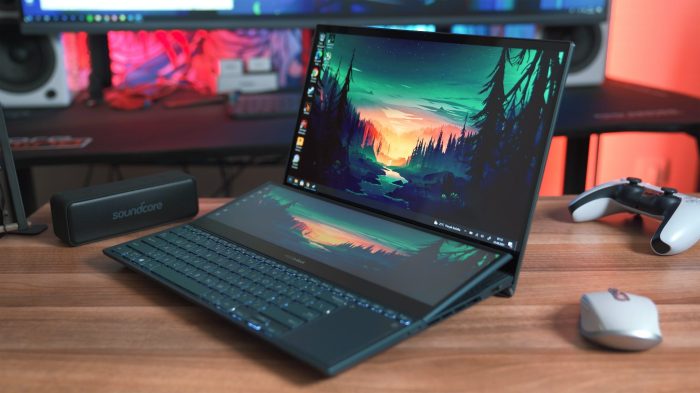
Emerging technologies are set to redefine the landscape of online multiplayer gaming. Innovations like cloud gaming and virtual reality are already influencing how players engage with games, enabling richer experiences and broader access. As bandwidth and technology improve, we can expect even more immersive environments that challenge the limitations of traditional hardware.
Looking ahead, integrated graphics cards are likely to continue evolving alongside gaming technology. With the push for more powerful integrated solutions, future games may become increasingly accessible to players with lower-end systems, allowing a broader demographic to join the online gaming community. As gaming habits shift, the landscape of players will diversify, leading to new trends in game development and community engagement.

