Overview of Indie Games on Steam: Best Free Indie Games On Steam With Multiplayer
Indie games play a crucial role in the gaming landscape, offering unique perspectives and innovative gameplay that often diverge from mainstream titles. These games are typically developed by small teams or independent creators, allowing for greater creative freedom and experimentation without the constraints often imposed by larger studios. The Steam platform has emerged as a significant hub for indie games, providing developers with the tools to reach a global audience and players with a vast selection of titles to explore.
Indie games are characterized by their diverse art styles, storytelling approaches, and gameplay mechanics. Unlike mainstream games, which often focus on high-budget production values and broad appeal, indie games prioritize originality and player experience. They often tackle niche subjects or explore unconventional gameplay ideas that may not be viable in a commercial context. Steam has been instrumental in promoting these titles, offering visibility and resources to indie developers, allowing them to thrive in a competitive market.
Criteria for the Best Free Indie Multiplayer Games, Best free indie games on Steam with multiplayer
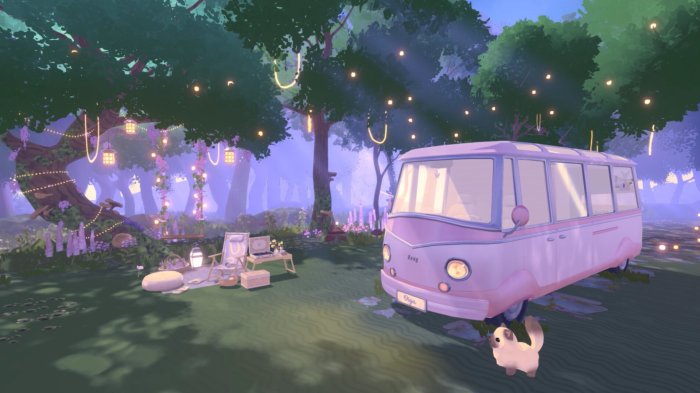
To evaluate which multiplayer indie games stand out on Steam, several key features are essential. Enjoyable multiplayer experiences often incorporate seamless mechanics, engaging gameplay, and a welcoming environment for both new and experienced players. Community engagement is also vital; these games thrive when players can connect, collaborate, and compete with one another, fostering a sense of belonging.
Regular updates and developer support significantly enhance a game’s longevity and player retention. Titles that receive frequent patches, new content, and community feedback tend to maintain an active player base, keeping the experience fresh and exciting.
Top Free Indie Multiplayer Games on Steam
Here is a list of some of the most popular free indie multiplayer games currently available on Steam, showcasing a variety of genres and gameplay styles:
- Unturned: A survival game set in a post-apocalyptic world filled with zombies. Players can scavenge for resources, build structures, and work together or against each other.
- Warframe: A cooperative third-person shooter that combines melee combat, parkour, and role-playing elements. Players control members of the Tenno, an ancient race that battles against various factions in a dynamic universe.
- Team Fortress 2: A team-based first-person shooter with distinct character classes, each offering unique abilities. Players engage in various game modes, emphasizing teamwork and strategy.
- Destiny 2: A free-to-play online shooter that includes both cooperative and competitive multiplayer modes. Players can explore vast worlds, complete missions, and engage in player-versus-player battles.
To compare these games and highlight their unique aspects, a table can provide a clearer view:
| Game Title | Genre | Unique Features |
|---|---|---|
| Unturned | Survival | Building mechanics, versatile gameplay |
| Warframe | Action RPG | Fluid movement, extensive customization |
| Team Fortress 2 | Shooter | Class-based gameplay, humorous art style |
| Destiny 2 | Online Shooter | Rich lore, expansive universe |
Community and Multiplayer Experience
Multiplayer experiences in indie games often foster vibrant communities among players. These games create environments where players can collaborate, strategize, and engage in friendly competition. Community-driven events and tournaments add an exciting dynamic, encouraging players to participate and showcase their skills.
Forums and social media platforms play a pivotal role in connecting players, allowing for the sharing of tips, tricks, and experiences. These platforms also facilitate discussions about game updates and future content, further strengthening community bonds and enhancing the overall multiplayer experience.
Game Development and Indie Studios
Several notable indie studios have made their mark in the realm of multiplayer games. Companies like Devolver Digital and Team17 have successfully published a variety of innovative titles, showcasing the potential of indie development. However, indie developers face unique challenges in creating multiplayer experiences, including resource limitations, technical hurdles, and the need for extensive playtesting to ensure a smooth experience.
Funding sources for indie game development vary, including crowdfunding platforms, grants, and publishing deals. These avenues provide critical support for small teams striving to bring their creative visions to life.
Future Trends in Indie Multiplayer Games
Emerging technologies such as virtual reality (VR) and augmented reality (AR) are poised to influence the future of indie multiplayer games. These advancements could lead to new gameplay mechanics and immersive experiences, transforming how players interact within virtual spaces.
Predictions about the evolution of gameplay mechanics indicate a potential shift towards more cooperative and community-oriented gameplay, emphasizing shared experiences among players. Cross-platform play is another trend that could significantly expand player bases, allowing friends to connect regardless of their preferred gaming system.
Tips for Playing Indie Multiplayer Games
For new players entering the world of multiplayer indie games, several best practices can enhance the experience.
- Engage with the community: Join forums, Discord servers, or social media groups to connect with other players, share experiences, and find game partners.
- Experiment with different roles: Many multiplayer games allow players to take on various roles or classes. Experimenting with these can help discover personal strengths and preferred play styles.
- Communicate effectively: Use in-game voice chat or text communication to coordinate with teammates. Clear communication is often the key to success in multiplayer environments.
These strategies are essential for building connections and enjoying the unique experiences that indie multiplayer games provide.
